


Ehab Mustapha Launches SixTwentyTwo, Canada’s First Muslim-Focused Tech Accelerator
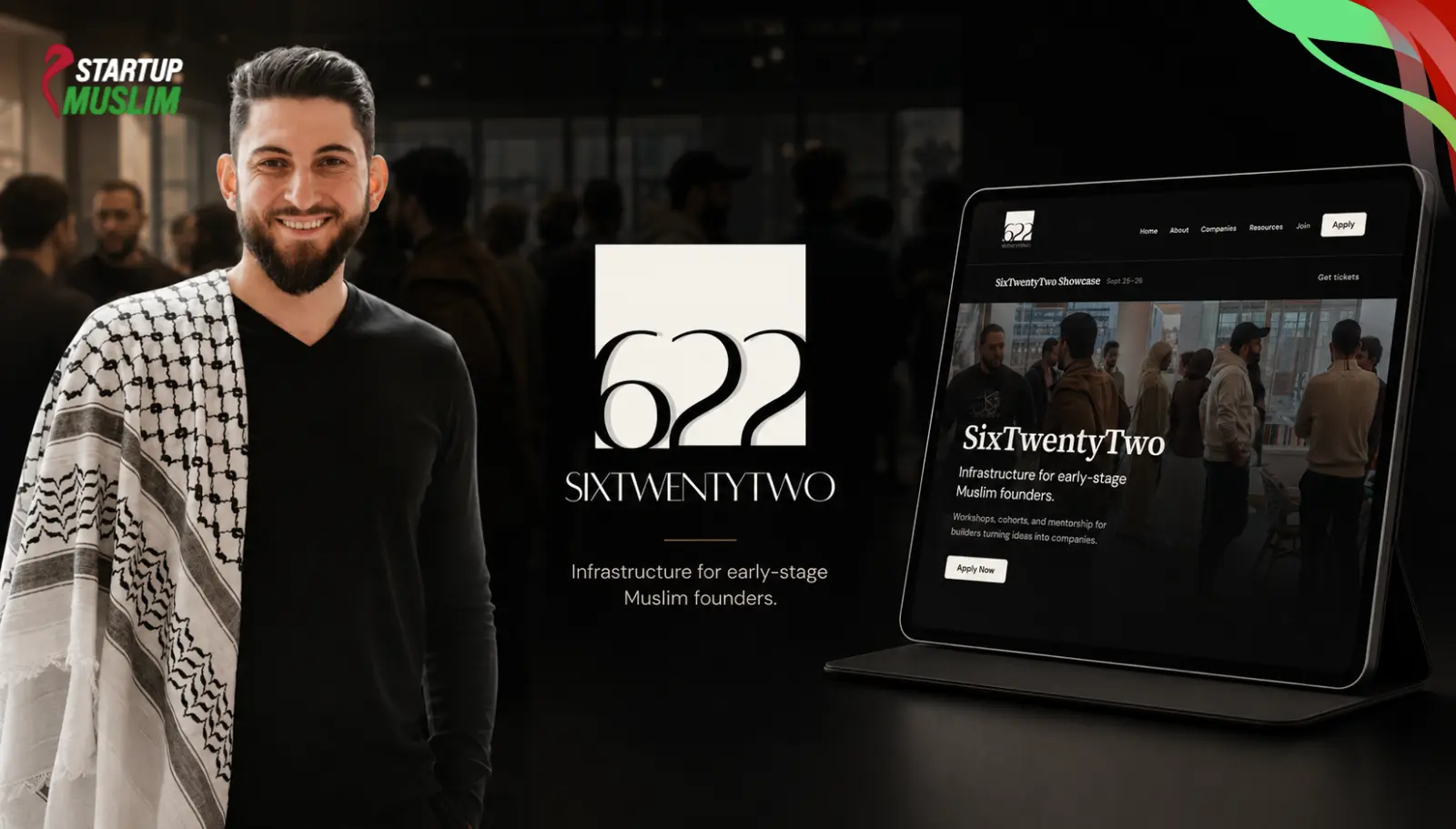
Ehab Mustapha built four startups. All four collapsed. Now, he is leveraging those failures to launch SixTwentyTwo (622), Canada’s first Muslim-focused technology accelerator. Based at Sheridan College’s EDGE program, the initiative provides founders with a startup network that bridges the gap between rigorous technical execution and uncompromising ethical standards.
Despite Canada possessing a highly developed startup market, Mustapha noticed a critical absence. Muslim engineers, physicians, and corporate professionals possessed the ambition to build companies, but existing incubators frequently pushed a growth-at-all-costs mentality. Founders regularly faced pressure to accept questionable funding, pursue unethical partnerships, or compromise their religious principles for scale.
Prompted by his wife to test a proof of concept rather than draft endless business plans, Mustapha posted a brief call to action on LinkedIn. Eighty-one founders applied immediately. The overwhelming response proved the market demanded a dedicated hub.
Building Beyond Disruption
Named after the Hijrah of 622 CE, the accelerator draws inspiration from the creation of enduring institutions rather than mere migration. The goal is to build companies that contribute meaningfully to society and outlive their founders.
The migration was never the destination. Building what came afterward was.
To achieve this, SixTwentyTwo discards theoretical lectures in favor of a 12-week practical curriculum. The program forces founders to validate ideas through direct market feedback. The accelerator moves participants through five distinct stages:
- Discovery: Replacing assumptions with hard customer evidence.
- Access: Bypassing gatekeepers to reach real decision-makers.
- Demand: Building a dedicated audience before attempting to scale.
- Build-to-Retain: Transforming initial curiosity into active, daily users.
- Close-the-Yes: Converting general interest into paying customers.
Guided by the rhythm of "Run. Drill. Ship," founders test assumptions continuously. Instead of relying on mentors to diagnose strategic flaws, the market dictates the reality of the product.
Selecting for Resilience
Mustapha evaluates the founder before the business idea. He targets professionals who excel in technical fields like medicine or software engineering but lack practical experience in sales, positioning, and customer acquisition. He explicitly selects for grit, resilience, sabr (patience), and the ability to absorb harsh market feedback without defensiveness. By bridging this skills gap, SixTwentyTwo ensures founders can maintain their ethical convictions while achieving commercial viability.
Early Traction and Physical Expansion
In less than a year, the founder community has grown to include 140 builders, 40 mentors, and 15 investors without a major marketing campaign. The inaugural cohort of 11 founders completed over 200 customer interviews, secured paying contracts, and generated tens of thousands in early revenue. They achieved this while operating on what Mustapha calls "Hard Mode"—refusing to compromise their values for capital.
Looking forward, Mustapha is physically expanding the program's footprint. Operating out of Sheridan College, SixTwentyTwo is actively formalizing partnerships to establish localized funding networks and ethical investing standards. Instead of theorizing about global frameworks, the accelerator is laying the tangible groundwork for a cross-border startup network where Muslim founders can access capital, governance training, and peer support from day one.