


Pakistan's Top Financial Regulators Align Policy on Digital Credit and Crypto at Fintech Forum
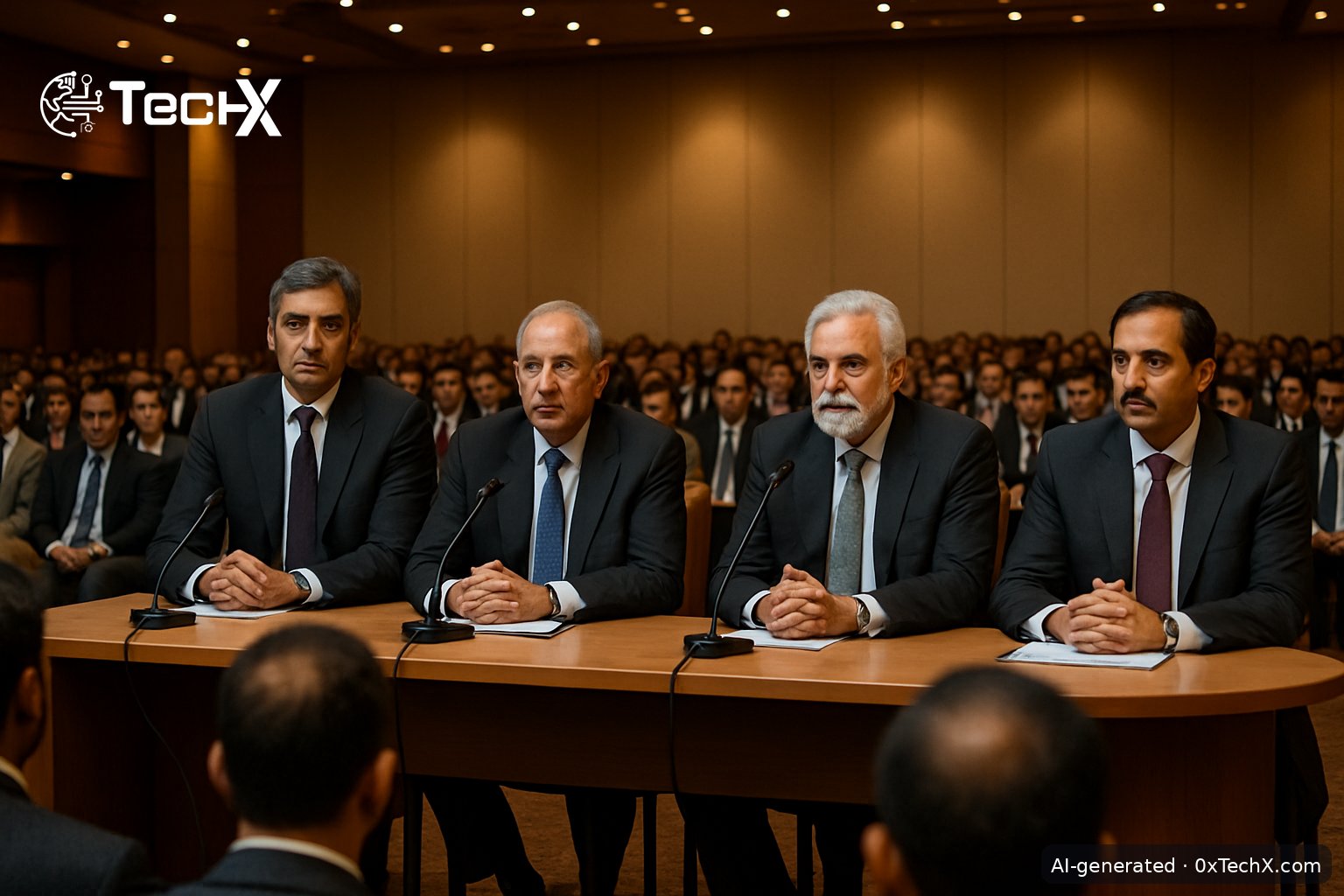
Pakistan's four top financial regulators convened in Karachi on September 2, 2026, to outline a coordinated policy approach for digital credit, payments, and virtual assets. The gathering at the fourth Pakistan Fintech Forum (PFF IV) signaled an end to siloed rulemaking for founders navigating the country's financial stack.
State Bank of Pakistan (SBP) Deputy Governor Muhammad Ali Malik reported that digital transactions now account for 92 percent of all payments in Pakistan. With the payment layer largely established, regulators are shifting their focus to digital credit and formalizing the virtual asset economy.
"Building trust, strengthening accountability and making digital finance translate into real economic activity are the priorities now," Malik noted, emphasizing that transaction volume alone is not the end goal.
Coordinating the Regulatory Stack
Historically, Pakistani fintech founders faced a fragmented system, struggling to gain clear approvals when products crossed agency lines. Sharing a stage indicated these bodies are establishing rules that fit together. The regulatory coverage now breaks down across four specific domains:
- State Bank of Pakistan (SBP) controls payments, traditional banking, and money movement.
- Securities and Exchange Commission of Pakistan (SECP) handles investment products, lending platforms, and non-banking financial services.
- Pakistan Digital Authority governs digital policy, digital public infrastructure, and data rights.
- Pakistan Virtual Assets Regulatory Authority (PVARA) oversees crypto and digital assets under the Virtual Assets Act 2026.
SECP Commissioner Imtiaz Haider highlighted digital credit access as the immediate priority. He confirmed the SECP is developing alternative credit scoring frameworks to reach unbanked populations and small businesses, moving away from legacy lending models.
Virtual Assets Enter the Formal Economy
PVARA Chairman Bilal Bin Saqib confirmed the virtual asset regulator operates as an integrated piece of the broader financial system rather than an isolated unit. Following the enactment of the Virtual Assets Act 2026, PVARA opened its licensing portal and launched a regulatory sandbox.
Crucially, traditional banks can now open accounts for PVARA-licensed firms. This policy shift integrates Pakistan's estimated 40 million crypto users into the formal banking system and removes the legal ambiguity that previously restricted local virtual asset service providers.
What Founders Can Build Now
For developers, this aligned regulatory approach translates directly into product capabilities. Because the SBP, SECP, and PVARA are coordinating their guidelines, startups can build cross-sector applications without violating conflicting agency rules.
Founders can now design lending applications that incorporate digital assets, or engineer payment platforms that connect directly to the public identity infrastructure the Pakistan Digital Authority is building. With 450 local fintech companies currently holding $391 million in venture capital, this specific regulatory alignment gives developers the exact parameters they need to push complex financial products from the sandbox to the public market.